The Government has been accused of putting regulatory alignment with the EU ahead of scientific evidence and supporting British businesses, after Defra confirmed it would not lift the ban on selling water hyacinth, despite an independent assessment concluding the pond plant posed no invasive risk in the UK under foreseeable climate conditions.
OATA says the decision has cost the UK ornamental aquatics industry more than £3.5 million in lost sales since the scientific review selected several species for delisting in March 2023 – which would have allowed trade in these species again in the UK.
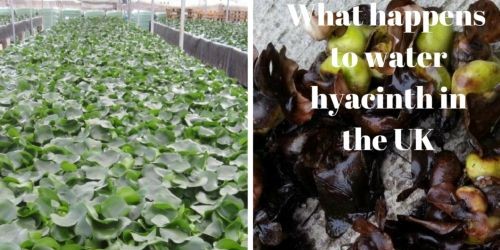
Water hyacinth (Eichhornia crassipes) was once a popular plant for garden ponds but was banned from sale under EU invasive species legislation in 2016. While the plant can cause environmental problems in warmer climates, OATA says the UK’s colder winters and lack winter sunlight mean it cannot survive year-round outdoors.
We are deeply disappointed that Ministers have decided to retain this ban despite the Government’s own scientific advice that the plant does not pose an invasive risk in the UK under foreseeable climate conditions.
British businesses have been left waiting nearly four years for a decision, despite repeated efforts to get the legislation changed. The necessary legislation had even been drafted before the last General Election but never made it onto the statute book.
Now we learn those plans have been abandoned. At a time when the Government says it wants to drive economic growth and reduce unnecessary regulatory burdens, this decision makes no sense and is a real blow to our industry.
It feels like ministers care more about realignment with EU rules than they do about evidence and supporting British businesses, despite claims to the contrary. We want to see invasive species policy based on the environmental risks in this country, not simply on maintaining restrictions inherited from the EU that the data shows are just not relevant to UK conditions.
Following Brexit, the UK retained restrictions on species listed under EU invasive alien species legislation, while establishing a process through which species could be reassessed for their suitability under UK conditions.
OATA says water hyacinth is a clear example of why that process matters: a plant that can be invasive in warmer parts of Europe may pose a very different risk in the UK, even under future climatic conditions. The Association is calling on DEFRA ministers to explain why the scientific assessment has not led to a change in the plant’s status and to ensure future decisions are transparent, evidence-based and proportionate to the risks.
There is another round of these assessments due in 2028 but what’s the point of wasting everyone’s time if the Government is just going to ignore its own experts?